

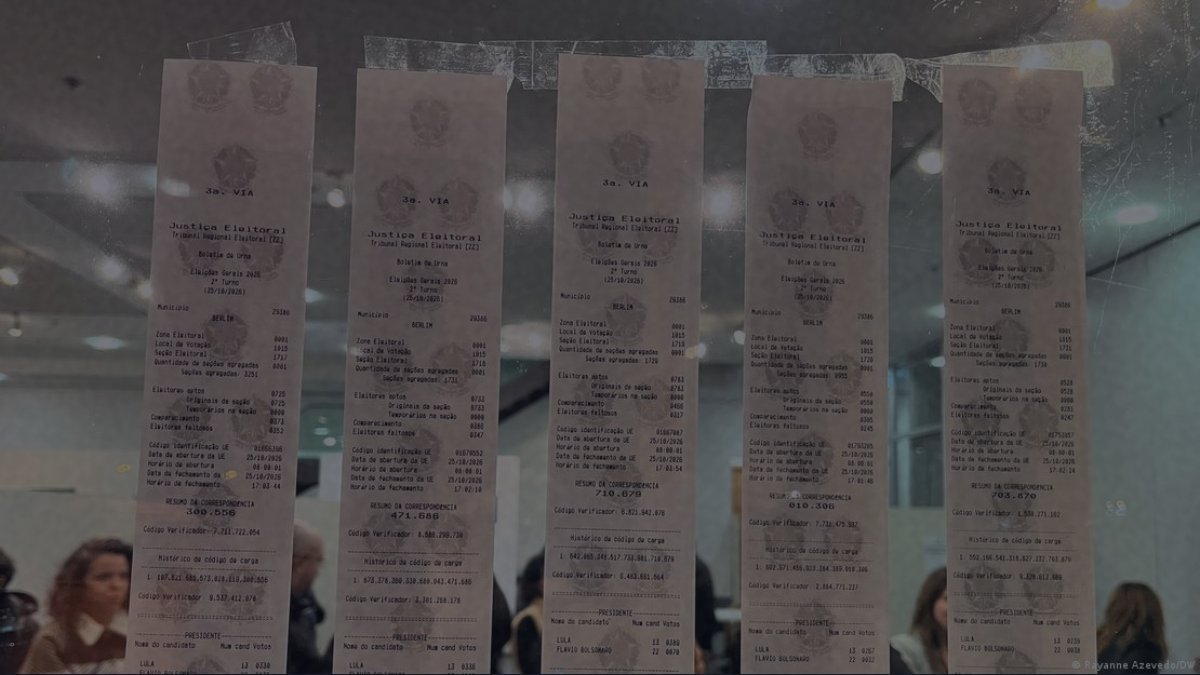
Brazil began tallying its presidential election on October 25, 2026, with the result expected to be tight but potentially known within hours thanks to electronic voting. The Supreme Court extended polling to 7 p.m. local, or 2200 GMT, adding two hours after complaints from both campaigns. Nearly 160 million Brazilians were called to vote.
- Key Point: The court’s extension gave voters two extra hours. Lula’s side blamed cuts to public bus services for keeping people from polling stations; Bolsonaro’s team cited weather in some regions. Lula had sought more time after buses were withdrawn in São Paulo, the biggest city, saying 40% of the fleet was kept off the road; local reports said 75 buses were blocked from leaving garages.
- Key Point: In Germany, Lula won 79.09% of 20,923 ballots, up from 71.9% in round one. Berlin gave him 88.77%; Frankfurt was Bolsonaro’s best city at 29.03%. Turnout rose from 19,322, but only about half of the 41,552 people eligible in Germany voted; worldwide, some 918,900 were eligible.
- Key Point: The electorate was almost 160 million. Red clothing and the number 13 marked Lula supporters; Bolsonaro backers wore yellow and green, often the national soccer jersey, including in Lisbon. Rio’s density produced long queues, Amazon polling stations traveled by boat, and soldiers were deployed against disruption that could damage the result.
- Key Point: US President Donald Trump has not endorsed either candidate but has ties to the Bolsonaro family. During his second term, he has intervened more in South America, including a military effort meant to remove Venezuela’s President Maduro. The senior Bolsonaro copied Trump’s rhetoric, refused to accept his 2022 loss to Lula, and was imprisoned for an attempted coup, inviting comparisons with Trump’s 2020 defeat by Joe Biden.
A late extension and dueling complaints
The Supreme Court’s order kept polls open until 7 p.m. local, or 2200 GMT, turning the scheduled close into two additional hours. Lula’s camp said bus cuts were blocking access; Bolsonaro’s side said weather in certain areas made voting harder.
Lula urged the court to act after buses stopped running in São Paulo, the largest city. He said 40% of the city’s buses had been kept from service, matching local media reports that 75 buses were blocked from leaving garages. According to AFP, he sought relief for voters who had been shut out.
“We are asking the Supreme Court to extend the electoral process so that those who were effectively barred from voting, due to the dirty tactics of mayors, can still cast their votes,” Lula said.
He also said the election had produced something beyond ordinary competition, contrasting his past acceptance of results with the present dispute.
“I’ve never complained about anything in any election before. Whether I won or lost, I’d just accept it and get ready for the next one. But this time, something abominable is happening,” he said. “No one should give up on voting just because some scoundrel of a business owner or some crooked, criminal mayor tried to stop the people from casting their ballots.”
Officials expected a quick count. Kassio Nunes Marques said a fast result is normal, describing it as what happens in “practically all elections” in Brazil. Electronic voting can deliver a result within hours, though the tight race meant uncertainty could persist.
Overseas ballots and a vast voting map
Figures from Brazilian embassies, reported by DW’s Portuguese service, showed Lula with a lopsided win among voters in Germany. He took 79.09% of 20,923 ballots across Germany, improving on 71.9% in the first round. Voting was available in Munich, Cologne, Hamburg, Frankfurt and Berlin. Berlin was strongest for Lula at 88.77%; Frankfurt gave Bolsonaro his best German result at 29.03%, still far behind.
Turnout in Germany rose from 19,322 to 20,923, but remained around half of the 41,552 people eligible in both rounds. Worldwide, about 918,900 were eligible.
The domestic operation was vast. Almost 160 million people were called to vote. Photos showed red clothing and the number 13 for Lula, while Bolsonaro fans wore yellow and green, especially Brazil’s national soccer jersey, as in Lisbon. Dense cities such as Rio de Janeiro created logistical problems and long lines. In the Amazon, officials loaded polling booths onto boats. Because disruption could undermine the results, soldiers were deployed.
Washington’s shadow and the stakes
Trump’s presence hung over the race without an endorsement, and he has ties to the Bolsonaro family. The senior Bolsonaro borrowed Trump’s style and policies, disputed his 2022 defeat by Lula, and was jailed for an attempted coup, a trajectory compared with Trump’s refusal to accept his 2020 loss to Biden.
Lula has positioned himself as a barrier to US interference.
“wants to govern with the American flag,”
Lula said that after voting on Sunday, describing the right.
A Bolsonaro victory would push Latin America further toward pro-US far-right leaders, after Colombia, Chile and Peru had already moved that way. That is the broader meaning of a vote still being counted late on October 25, 2026.
The count was expected within hours, but the tight race and last-minute extension left both sides watching every update. The court’s intervention let more people vote; it also gave the losing campaign a possible argument if the margin proved narrow. Brazil’s institutions must now show that a result produced under changed voting hours is accepted as legitimate.