

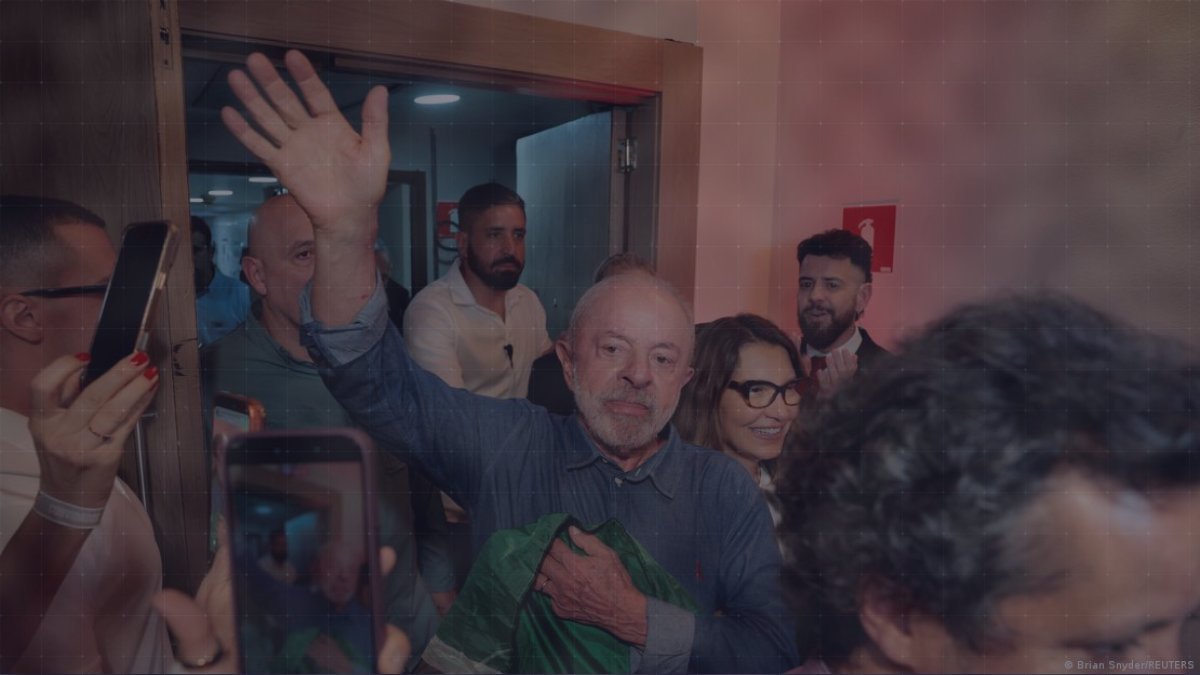
Brazil’s electoral authorities said on October 26, 2026 that Luiz Inacio Lula da Silva, the country’s president, had captured a fourth term, recovering from a first-round loss to defeat right-wing rival Flávio Bolsonaro in a runoff. The nearly 81-year-old leftist took 51.7% of the runoff vote; Flavio, whose father is former president Jair Bolsonaro, received 48.2%. A campaign dogged by scandals and mudslinging ended with Lula supporters celebrating and Bolsonaro backers disappointed.
- Key Point: Lula’s 51.7%-to-48.2% runoff margin came after he had fallen behind in the opening round. Nearly 160 million people were summoned to vote, and the count was anticipated to be close.
- Key Point: The Supreme Court added two hours on October 25, 2026, moving the close to seven in the evening local time, 2200 GMT, after both camps raised objections. Lula’s team said bus service had been disrupted; Flavio’s side pointed to weather problems in some areas.
- Key Point: Brazilian voters in Germany backed Lula overwhelmingly: 79.09% of the 20,923 ballots, compared with 71.9% in the first round. Berlin gave him 88.77%, while Frankfurt produced Flavio’s strongest German result at 29.03%, still far behind.
- Key Point: Lula must balance relations with Washington against his anti-imperialist position while the Trump administration expands its influence in the region. Flavio had campaigned on closer cooperation with Washington.
A runoff decided by late shifts and a longer polling day
Lula had to erase the first-round advantage held by Flavio. Pollsters attributed his recovery in part to turnout that exceeded forecasts. Brazilian races often begin with conservative candidates ahead, then shift as results arrive from the northeast, which is poorer and more crowded, where left-wing candidates tend to gain. On voting day, a late Supreme Court ruling threw the proceedings into confusion by keeping polls open an extra two hours, until seven in the evening local time, or 2200 GMT. Lula’s campaign had complained that public buses had been withdrawn in several cities, preventing some people from reaching polling stations; Bolsonaro’s campaign cited weather in certain regions that it said made voting harder.
In São Paulo, the largest city, Lula said 40% of buses had been blocked from service, which he said stopped many people from voting; local media accounts matched with reports that 75 buses could not leave garages. He described the situation as abominable and urged the court to allow more voting. According to AFP, he said:
“We are asking the Supreme Court to extend the electoral process so that those who were effectively barred from voting, due to the dirty tactics of mayors, can still cast their votes.”
“I’ve never complained about anything in any election before. Whether I won or lost, I’d just accept it and get ready for the next one. But this time, something abominable is happening.”
“No one should give up on voting just because some scoundrel of a business owner or some crooked, criminal mayor tried to stop the people from casting their ballots.”
Diaspora ballots, campaign symbols and the Washington question
Figures posted by Brazilian embassies, which DW’s Portuguese service reviewed, showed Lula with 79.09% among 20,923 voters in Germany, up from 71.9% in the opening round. Consular sites in Berlin, Frankfurt, Munich, Hamburg and Cologne accepted ballots. Berlin was Lula’s best German city at 88.77%; Frankfurt was Flavio’s best, yet his 29.03% remained well short. Turnout climbed from 19,322 in the first round, although only about half of Germany’s 41,552 eligible voters took part in either round. About 918,900 people were eligible to vote abroad.
The campaign was also visible in clothing. Red and the number 13 generally indicated support for Lula at the voting machine, while yellow and green—frequently the national soccer shirt—signaled backing for Bolsonaro, as seen among his supporters in Lisbon. Brazil’s huge, densely populated cities, Rio de Janeiro among them, created logistical challenges for an election that drew almost 160 million voters. After polls closed, electronic voting meant a result could be known within hours, even if the race was expected to be close. DW published an infographic on the standings as counting proceeded.
Abroad, the runoff exposed a contrast over foreign policy. Lula will need to deal with Washington while preserving his anti-imperialist posture as the Trump administration increasingly asserts influence across the region. Flavio had promised closer cooperation with Washington, a position that gave the election a foreign-policy dimension alongside disputes over buses, weather and turnout.
A fourth term, a divided electorate and an unresolved argument
The result is a historic upset: Lula lost the opening round and still secured a fourth term at nearly 81 after a campaign damaged by scandal and mudslinging. Yet the 51.7%-to-48.2% margin describes an electorate split almost down the middle. Because the Supreme Court extended voting by two hours and both campaigns lodged complaints, the administration of the ballot may remain a political quarrel. Lula’s win also turns aside, for now, Flavio’s offer of a warmer relationship with Washington, even as the Trump administration presses harder in Latin America. Lula’s immediate challenge is to turn a narrow runoff majority into governing authority while maintaining his anti-imperialist line and managing a relationship with Washington that neither his allies nor his opponents will allow him to ignore.