

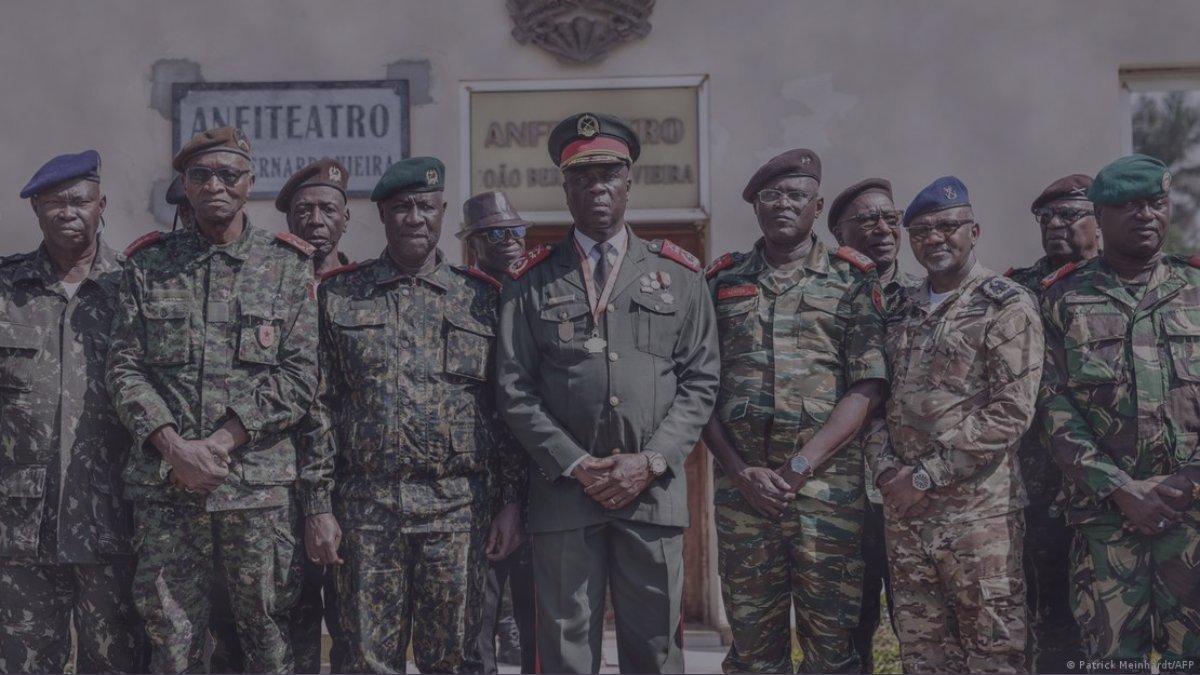
Guinea-Bissau will not hold the legislative and presidential ballots fixed for 6 December 2026. Aly Silva, who speaks for Ilidio Vieira Te, the transitional prime minister, told DW the contest has been deferred with no fresh date. The cabinet will examine the question before any new schedule is disclosed, so it remains uncertain whether voters go to the polls in 2027 or not before 2028.
- Key Point: The 6 December 2026 legislative and presidential votes are shelved; ministers will review the issue before setting a replacement date.
- Key Point: The 6 October candidacy window closed with no filings from parties or would-be candidates; the prime minister says parties did not convene congresses to pick contenders.
- Key Point: The army seized control on 26 November 2025, three days after citizens chose a parliament and president, stopping the count before official results emerged.
- Key Point: A referendum on 30 August 2026 endorsed amendments that broaden presidential authority and reduce the legislature from 102 to 65 seats.
Conditions, not just logistics
The transitional authorities say the vote cannot proceed because organizational and political prerequisites are missing. By the 6 October nomination deadline, parties and aspirants had filed nothing; the prime minister says parties also did not convene the congresses needed to pick candidates.
Cabi Sanha, a lawyer and political analyst, said the delay was predictable. Little has been done since the coup to prepare credible elections, he argues. He noted that 6 December had been set as the new date, yet no steps made it achievable. Sanha points to curbs on political activity and the absence of dialogue with central participants in election planning. Parties and civil society, he says, were not brought in sufficiently. Mediation by ECOWAS and Senegal has failed to break the impasse.
“The postponement was foreseeable,” Sanha told DW. “But nothing was done to ensure that these elections could actually take place.”
“Free, transparent and inclusive elections are only possible if the necessary conditions are established beforehand.”
For Sanha, missing nominations are a symptom, not an explanation.
“How are parties supposed to nominate candidates when political activities are restricted in the country? They cannot hold party congresses or organize rallies.”
Prominent opposition figures also remain abroad. Domingos Simoes Pereira, who heads the main opposition PAIGC, formally the African Party for Independence of Guinea and Cape Verde, was released from pretrial detention over an alleged coup attempt and permitted to go to Portugal in July 2026 to receive medical care. His defense rejects the accusation and calls the case politically driven. A photo caption shows the funeral in Bissau of human rights activist Vigario Balanta, whose corpse turned up in a swamp beyond the capital on 31 March, showing signs of torture. Missing leading opponents and limits on organizing make an electoral process meant to restore civilian rule harder.
How the crisis began
The crisis traces to 26 November 2025. Three days earlier, Guineans had picked a new legislature and president. Before results were published, the military took power and stopped the electoral process. Umaro Sissoco Embalo, then president, and his rival Fernando Dias da Costa both claimed victory. The military leadership pledged to restore constitutional order. General Horta N’Tam was sworn in on 27 November 2025 as transitional leader and commander-in-chief.
What follows is uncertain. Aly Silva, the government spokesperson, says the transitional administration will take the question to cabinet first. Only afterward will it disclose a new date. No concrete timetable exists. It is also unknown when parties can finish internal selections, name candidates and campaign. Sanha sees this as more evidence that the authorities lack commitment to restoring constitutional government.
“I do not believe that logistical problems are the main issue. Rather, there appears to be a lack of political will to move the electoral process forward,” Sanha said.
Constitutional dispute
A contested constitutional overhaul has deepened the crisis. In a referendum on 30 August 2026, voters backed amendments that enlarge the president’s powers and cut the legislature from 102 seats to 65. Critics doubt the exercise’s legitimacy, saying the military administration drafted it and no regularly elected parliament was in place. The opposition urged a boycott.
Fernando Vaz, who speaks for the National Transitional Council, defends the revision. He says it was not a complete rewrite but a focused set of changes. The aim, he argues, is to help the country escape political instability. He adds the interim period let the military leadership alter clauses it saw as obstacles to political development.
“The constitution must be one of the instruments that lead our country toward greater stability,” Vaz told DW.
Vaz also rejects the charge that the changes strengthen the president at the prime minister’s expense.
“The president of the republic is the head of state, while the prime minister is the head of government,” he emphasizes.
Critics read the text differently. The framework bolsters the presidency: the head of state would choose and remove the premier and ministers and, in certain circumstances, dissolve parliament. Parliamentary seats also fall. Whether the package will foster stability or gather more authority in presidential hands remains disputed.
The deferral is more than a scheduling failure. It exposes a transition that has not shown it can establish conditions for a credible vote: political activity remains constrained, leading opposition figures are abroad, mediation has stalled, and the constitutional revision is contested. A cabinet meeting may yield a date, but a date cannot supply missing prerequisites. Unless parties can organize, nominate and campaign, and unless the authorities show the political will Sanha says is absent, Guinea-Bissau’s return to constitutional order has no clear path.