

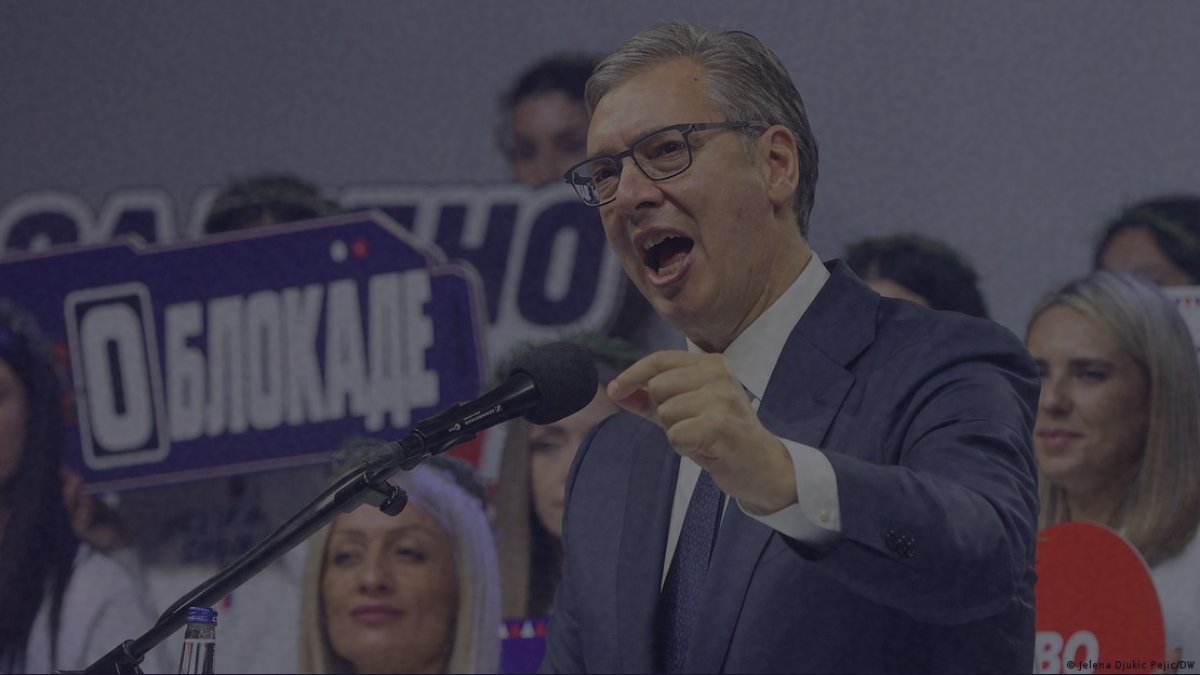
Polls opened across Serbia on Sunday for a parliamentary vote that is too close to call and may halt the SNS’s grip on government after more than ten years. Aleksandar Vucic’s Serbian Progressive Party faces the Students’ List, a new group with youth support that arose from a large student-led protest wave. That wave followed the fatal collapse of a railway station roof in Novi Sad during 2024, an accident that left 16 people dead and fuelled public fury about suspected graft, shoddy construction and weak accountability for public works. Demonstrators said official corruption and patronage had put public safety at risk; the authorities denied it. The protests have become the broadest movement in Serbia since Slobodan Milosevic was toppled in 2000.
- Key Point: CRTA, an independent monitor, recorded turnout of 41.1% by 1 p.m. (1200 GMT), against 26.6% at the corresponding time in the December 2023 parliamentary vote.
- Key Point: After calling early elections last month, Vucic left the presidency to seek the premiership; the constitution blocked a third presidential term, and his second was scheduled to finish in May 2027.
- Key Point: The Students’ List is headed by cardiologist Ilija Srdanovic, who is not the movement’s leader and is not its pick for prime minister.
- Key Point: Serbia seeks EU membership, but its accession path has been held back by doubts about democratic standards and legal safeguards; Vucic has kept warm relations with Russia and has not joined Western sanctions imposed over Moscow’s invasion of Ukraine.
From streets to ballots
University students began with blockades and marches. Teachers, farmers and others joined, and a campaign for justice after the Novi Sad catastrophe grew into a wider effort to loosen Vucic’s hold on power. The student grouping says it wants to turn street energy into seats, offering itself as an option distinct from both the governing party and the older opposition.
The SNS’s first national election win came in 2012, and it has held the upper hand in Serbian politics since. Vucic became prime minister in 2014 and president in 2017. His second presidential term was to end in May 2027; the constitution barred another. Critics say he has centralised authority, weakened independent media and eroded democratic institutions. He and his party deny wrongdoing.
Vucic, who wants the premiership, voted at a kindergarten on Belgrade’s edge and said he hoped the day would be calm.
“We will heed the democratic will of the citizens. You can win or lose an election. Either way, we will act responsibly,”
he said.
Srdanovic, a cardiologist, voted in Novi Sad.
“I hope that today will pass in a democratic atmosphere, in peace, and that we will legitimately elect a new government in Serbia,”
he said.
Turnout, Europe and Hungary
CRTA put turnout at 41.1% by 1 p.m. local (1200 GMT), above 26.6% at the same point in December 2023. Voting ends at 8 p.m. in Serbia (1900 GMT).
European capitals are watching. Serbia seeks EU membership, but its accession path has been held back by doubts about democratic standards and legal safeguards. Vucic has kept warm relations with Russia and has not joined Western sanctions imposed over Moscow’s invasion of Ukraine.
The ballot comes six months after Peter Magyar defeated Vucic ally Viktor Orban in Hungary. That result has drawn comparisons and attention to whether a student-backed campaign can alter Serbia’s course.
What is at stake
The outcome will be read as a judgment on SNS dominance and on a protest movement that moved from campuses to ballots. It will test whether the Students’ List can transform public anger into institutional power. For Vucic, the contest is a gamble: he left the presidency to seek the premiership while the Novi Sad disaster and his party’s record remain central. For the students, the question is whether the largest protest wave since 2000 can produce a governing mandate rather than only sustained opposition.
The contest therefore measures more than the popularity of two camps. It asks voters whether they believe the promises of renewal made by a movement born from grief and anger, and whether the ruling party can still command confidence after years in office. A high turnout would strengthen the claim that the result reflects a broad public mood; a lower one would leave both sides arguing over whose supporters stayed home.
For Brussels, the vote will show whether Serbia’s membership process can regain momentum; for Moscow, it will indicate whether Vucic’s refusal to align with Western sanctions remains politically sustainable. The result will shape Serbia’s next government and how Europe reads the strength of youth-led movements against entrenched power. It also explains why a national vote in Belgrade is being followed far beyond the Balkans.
A strong showing by the Students’ List would not by itself settle Serbia’s direction, but it would change the terms of debate over accountability, media freedom and the pace of reforms. A victory for the SNS would preserve continuity and raise questions about how the protest energy will be expressed outside parliament. Either way, the campaign has already pushed issues once confined to street demonstrations into the centre of national politics.